

- cross-posted to:
- worldnews@lemmy.ml
- cross-posted to:
- worldnews@lemmy.ml
cross-posted from: https://lemmy.ml/post/45230011
March 30, 2026
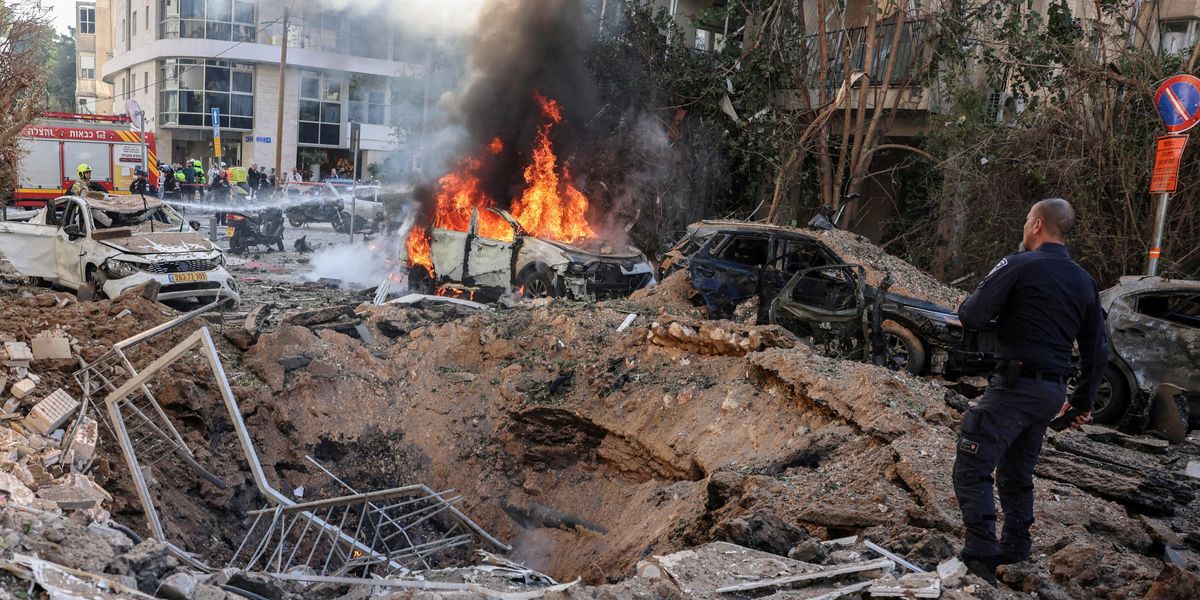
A month into the U.S. military campaign against Iran, Israel’s vaunted air defense system is showing its limits. Just in the past 10 days, major cities including Tel Aviv, Dimona, and Arad sustained significant damage when Iranian missiles successfully evaded Israel’s network of interceptors.
The most obvious explanation for the apparent failures is that depletion of Israel’s interceptor stockpiles is forcing the Israel Defense Forces to ration munitions or prioritize targets. But the faults in Israel’s air defenses almost certainly have deeper roots. After all, even if forced to defend only the most important locations, Israel would almost certainly place Dimona — a city located near several of Israel’s key nuclear facilities — at the top of the list.
The more worrisome reality is that gaps in Israel’s air defenses may be detection (rather than interception) failures resulting from damage to the radars and sensors that underlie the integrated air defense network shared by the United States, Israel, and Gulf partners. If true, the implications would be dire. Operating without the “eyes” that the American military relies on to identify and mitigate threats, U.S. forces and assets would be much more vulnerable than previously understood.
The article’s headline isn’t supported by the text in the article.
“May” and “if true” do not mean the radars that have been destroyed have changed the course of war as they claim in the headline.
I find it much more plausible that we’re simply seeing the effect of increased Iranian missile volume. Even if a system is successful 90% of the time, that’s still going to let through a lot of projectiles if the volume ramps up.