Think of all the ways the things they learn doing things like this will help in the future.
Here’s a brief overview of things that have already come from space exploration research.
Space programs, especially those led by NASA, have produced a surprising number of everyday technologies. These are often called “spinoffs,” and many are things you probably use without realising their origin.
Here are some of the most impactful ones
Health & Medicine
MRI and CT scan improvements
Imaging techniques were enhanced using algorithms originally developed to process space data and images from satellites.
Infrared ear thermometers
Based on infrared sensors used to measure the temperature of stars and planets.
Artificial limbs
Lightweight materials and robotics research from space programs improved prosthetics—making them more natural and responsive.
Portable water purification
Originally designed to recycle water on spacecraft, now used in disaster relief and developing regions.
Everyday Household Tech
Memory foam
Developed to improve crash protection for astronauts—now used in mattresses, pillows, and even shoes.
Cordless power tools
Early versions were created so astronauts could drill into the Moon during the Apollo program.
Scratch-resistant lenses
Helmet visors for astronauts led to coatings used on eyeglasses.
Insulation materials
Spacecraft thermal insulation tech is now used in homes to improve energy efficiency.
Tech & Computing
Digital image sensors (CMOS)
The same tech used in smartphone cameras was heavily advanced by space imaging research.
GPS-related advancements
While GPS itself is run by the military, satellite navigation improvements were accelerated through space exploration.
Wireless communication improvements
Satellite communication tech paved the way for global broadcasting and internet infrastructure.
Transportation & Safety
Improved car safety systems
Crash-testing methods and materials came from aerospace engineering research.
Air purification systems
NASA developed advanced air filters for spacecraft—now used in hospitals, airplanes, and homes.
Environmental & Food
Freeze-dried food
Created for astronauts—now common for hiking, military use, and even snacks.
Climate monitoring
Satellites help track weather, climate change, and natural disasters, affecting farming, travel, and safety.
A big takeaway
Space exploration isn’t just about rockets; it pushes innovation in:
materials science
computing
medicine
sustainability
A lot of these breakthroughs happened because space is an extreme environment, forcing engineers to solve problems that later translate into everyday life.
If you want, I can go deeper into the most surprising or “invisible” NASA tech you use daily—there are some really unexpected ones.


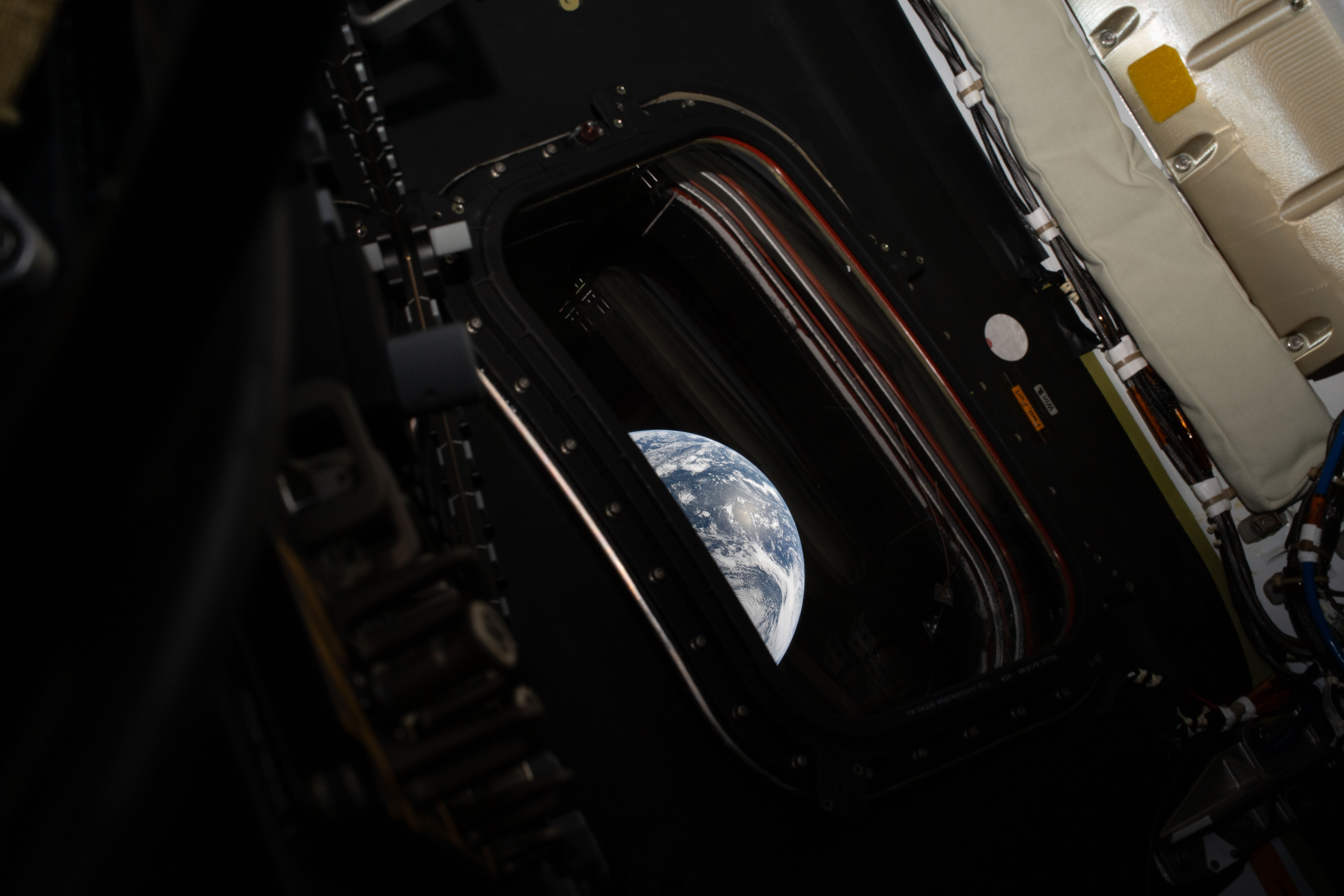
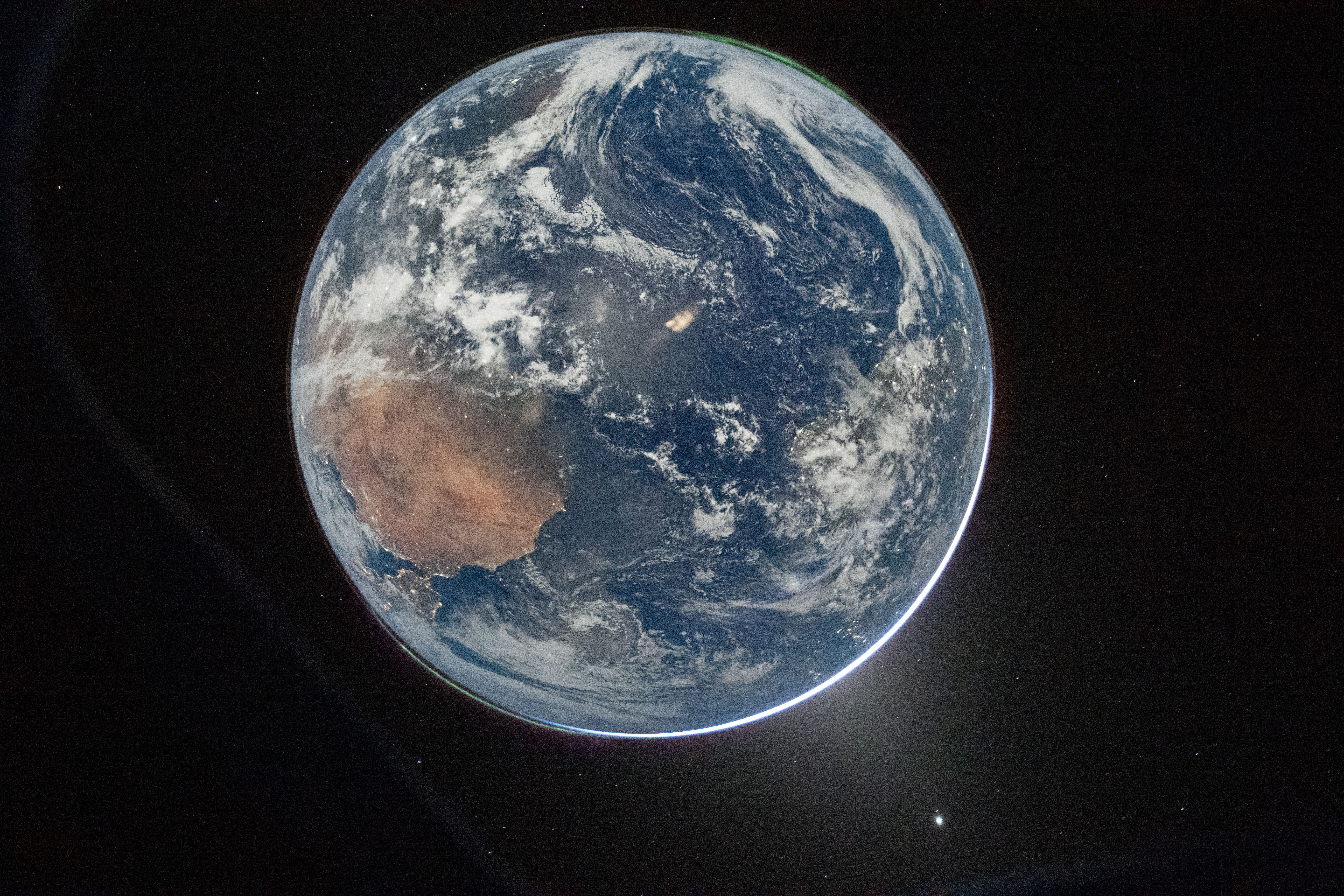
Think of all the ways the things they learn doing things like this will help in the future.
Here’s a brief overview of things that have already come from space exploration research.
Space programs, especially those led by NASA, have produced a surprising number of everyday technologies. These are often called “spinoffs,” and many are things you probably use without realising their origin.
Here are some of the most impactful ones
Health & Medicine
Imaging techniques were enhanced using algorithms originally developed to process space data and images from satellites.
Based on infrared sensors used to measure the temperature of stars and planets.
Lightweight materials and robotics research from space programs improved prosthetics—making them more natural and responsive.
Originally designed to recycle water on spacecraft, now used in disaster relief and developing regions.
Everyday Household Tech
Developed to improve crash protection for astronauts—now used in mattresses, pillows, and even shoes.
Early versions were created so astronauts could drill into the Moon during the Apollo program.
Helmet visors for astronauts led to coatings used on eyeglasses.
Spacecraft thermal insulation tech is now used in homes to improve energy efficiency.
Tech & Computing
The same tech used in smartphone cameras was heavily advanced by space imaging research.
While GPS itself is run by the military, satellite navigation improvements were accelerated through space exploration.
Satellite communication tech paved the way for global broadcasting and internet infrastructure.
Transportation & Safety
Crash-testing methods and materials came from aerospace engineering research.
NASA developed advanced air filters for spacecraft—now used in hospitals, airplanes, and homes.
Environmental & Food
Created for astronauts—now common for hiking, military use, and even snacks.
Satellites help track weather, climate change, and natural disasters, affecting farming, travel, and safety.
A big takeaway
Space exploration isn’t just about rockets; it pushes innovation in:
A lot of these breakthroughs happened because space is an extreme environment, forcing engineers to solve problems that later translate into everyday life.
If you want, I can go deeper into the most surprising or “invisible” NASA tech you use daily—there are some really unexpected ones.
C’moon now. At least try and hide it.
Why would I hide that I used an LLM to summarise some history.
I’d rather you try and hide your distain, as frankly it’s boring.
Please don’t barf LLM output at comment boxes, it’s obnoxious even if you do have a good point
Well perhaps if you listened to the humans first I wouldn’t have to use an LLM to summarise the benefits of science to a layman or contrarian.
Go away slopper
You realise this is the internet and you can just not reply again.
😂.