If the solar panel don’t have grid failure shutdown for its inverter, it can shock (or with bad luck) kill workers working on a downed power line assuming the load side is safe. That is also why house installations also often only have a dedicated outlet during power loss and are not allowed to connect to the full house.
I agree everyone should be able to get off-grid solar system or balcony solar, but they should have to be certified to not shock workers during an outage when people inevitably get cheap TEMU balcony solar.
Another potential issue is the possibility of overloading a circuit if these are used incorrectly. Basically, having enough load on the same circuit as too many of these panels would cause over current that is not seen by the upstream breaker. That’s probably an unlikely circumstance but something to be aware of and to design controls to prevent.
You have to understand, for this to happen you would need more than 15/20 amps of electrical use plugged into that circuit. As soon as a cloud reduces the solar output, the entire load would be on the utility end of the circuit and the breaker would trip.
Seems like the safest thing to do is to design products to fail safely even if the owner doesn’t follow the manual. Relying on the competence of end users alone is, in my opinion, not enough.
Good points. I’ll also admit I have a fear of electricity so I’d totally be scared. But my local utilities are not saying this because they are worried about our well being, they are worried about making less money.
I hear that. Their concern trolling can look or sound right on the surface (“worker safety is our top priority!”) and still be disingenuous af.
They know just as well as we do that we have the knowledge and skills to make safe, cost effective, and accessible solar panels and batteries for homes. There are tons of real-world examples already that we can learn from, refine for our particulars, and use just by looking at Europe and Southeast Asia. There’s a safety standard/framework for plug-in solar that’s already been published for the US, UL 3700. (It’s been out for six months now!)
Any “discussions” about how to make plug-in solar safe for North American users are kvetch sessions for nervous executives clutching their pearls.
Just a small remark: In Germany, we had this discussion and all time-and-money-winning discussions already. We are through it.
It‘s safe. If you know some Germans, you might have an idea that we looked into and discussed every single screw and aspect of those systems.
Everybody buys those cool PV‘s. We even got a nationwide law that nobody (even not your landlord of your appartement) can stop you to plug it in your home grid.
No, you dont understand, we can’t just look elsewhere to find examples that have been shown to work well, we have to spend all our money on developing a completely parallel set of rules and regulations from the ground up because of … reasons.
It’s the same thing with bike lanes: every city spends the whole budget on doing “studies” of different designs rather that just building the exact designs that the Dutch have perfected.
In this case, the unfortunate thing is we can’t just buy German gear since the voltage and frequency of our grids are different.
There might also be some issues with how things are wired.
A lot of Europeans are under the impression that the American power grid distributes 110 volts. It doesn’t, it distributes 220. Our transformers are center-tapped, the center tap is considered neutral and the other two hot. Measure between the hots, you get 220, which is how we power big things like stoves and HVAC and such, normal outlets are wired between neutral and one of the hots.
The US has plug and socket standards for 220. You’d think you could take something like a British kettle, nip the weird British plug off of it, put an American 220 plug on it, and plug it into one of those 220 sockets, right? A resistive heater like a kettle doesn’t care about the AC frequency. It might care that what it thinks is the Neutral wire has 110V potential from Ground.
And panels are the cheap part. Going from expensive to cheap for a full solar setup is going to be battery > inverter > panels. So wouldn’t be surprised if some DIY people may consider skimping on inverters that can actually protect the grid.
Well they are correct to a point.
If the solar panel don’t have grid failure shutdown for its inverter, it can shock (or with bad luck) kill workers working on a downed power line assuming the load side is safe. That is also why house installations also often only have a dedicated outlet during power loss and are not allowed to connect to the full house.
I agree everyone should be able to get off-grid solar system or balcony solar, but they should have to be certified to not shock workers during an outage when people inevitably get cheap TEMU balcony solar.
This is what UL 3700 certification was developed to address.
Another potential issue is the possibility of overloading a circuit if these are used incorrectly. Basically, having enough load on the same circuit as too many of these panels would cause over current that is not seen by the upstream breaker. That’s probably an unlikely circumstance but something to be aware of and to design controls to prevent.
You have to understand, for this to happen you would need more than 15/20 amps of electrical use plugged into that circuit. As soon as a cloud reduces the solar output, the entire load would be on the utility end of the circuit and the breaker would trip.
I agree. Clouds are my preferred form of overcurrent protection.
They are typically reduced to 800W upstream. And you should plug only one into one current.
At the end it depends in the strength/ thickness of your power cable.
What happens when you plug in more than one? Is there some kind of safety circuitry that detects this and shuts it off?
I don’t think so.
Even the correct cable connection is essential - parallel or serial PV panels into the inverter.
If you do not read the fck manual, you should not play with power toys.
Seems like the safest thing to do is to design products to fail safely even if the owner doesn’t follow the manual. Relying on the competence of end users alone is, in my opinion, not enough.
Those systems are save. However, one can always crash it, if not used properly or fiddling around.
Same as you can refuel diesel in your petrol car. You can’t avoid dumb users entirely.
Good points. I’ll also admit I have a fear of electricity so I’d totally be scared. But my local utilities are not saying this because they are worried about our well being, they are worried about making less money.
I hear that. Their concern trolling can look or sound right on the surface (“worker safety is our top priority!”) and still be disingenuous af.
They know just as well as we do that we have the knowledge and skills to make safe, cost effective, and accessible solar panels and batteries for homes. There are tons of real-world examples already that we can learn from, refine for our particulars, and use just by looking at Europe and Southeast Asia. There’s a safety standard/framework for plug-in solar that’s already been published for the US, UL 3700. (It’s been out for six months now!)
Any “discussions” about how to make plug-in solar safe for North American users are kvetch sessions for nervous executives clutching their pearls.
Just a small remark: In Germany, we had this discussion and all time-and-money-winning discussions already. We are through it.
It‘s safe. If you know some Germans, you might have an idea that we looked into and discussed every single screw and aspect of those systems.
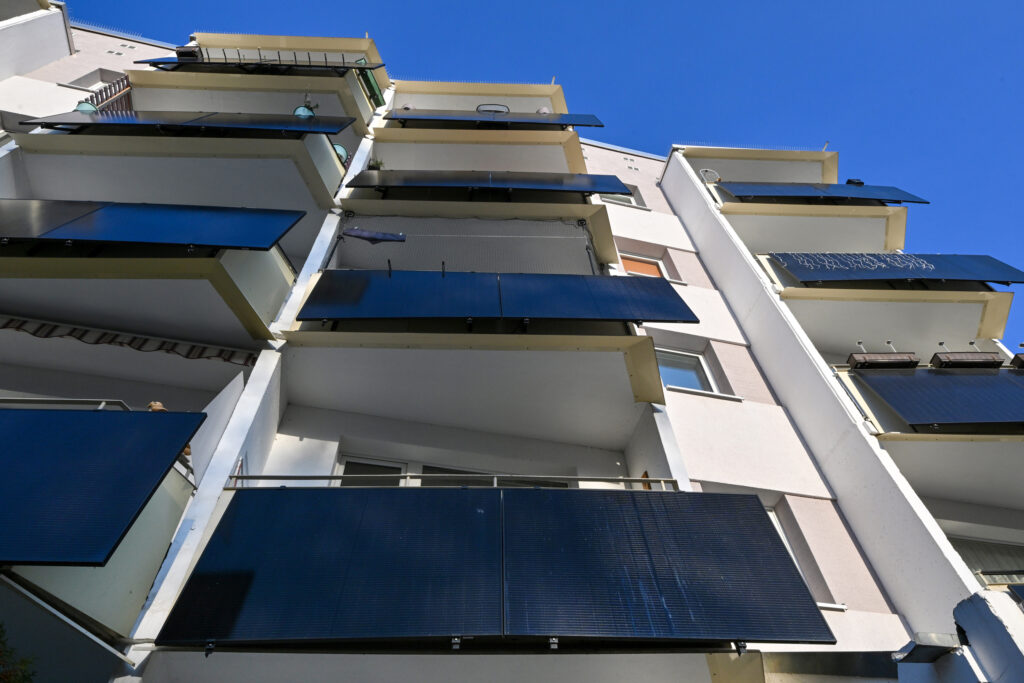
Everybody buys those cool PV‘s. We even got a nationwide law that nobody (even not your landlord of your appartement) can stop you to plug it in your home grid.
Buy it. Install it. Love it.
No, you dont understand, we can’t just look elsewhere to find examples that have been shown to work well, we have to spend all our money on developing a completely parallel set of rules and regulations from the ground up because of … reasons.
It’s the same thing with bike lanes: every city spends the whole budget on doing “studies” of different designs rather that just building the exact designs that the Dutch have perfected.
In this case, the unfortunate thing is we can’t just buy German gear since the voltage and frequency of our grids are different.
We did that. We’ve already done that part, it’s finished! We have standards and guidelines.
This is such a frustrating wait!
There might also be some issues with how things are wired.
A lot of Europeans are under the impression that the American power grid distributes 110 volts. It doesn’t, it distributes 220. Our transformers are center-tapped, the center tap is considered neutral and the other two hot. Measure between the hots, you get 220, which is how we power big things like stoves and HVAC and such, normal outlets are wired between neutral and one of the hots.
The US has plug and socket standards for 220. You’d think you could take something like a British kettle, nip the weird British plug off of it, put an American 220 plug on it, and plug it into one of those 220 sockets, right? A resistive heater like a kettle doesn’t care about the AC frequency. It might care that what it thinks is the Neutral wire has 110V potential from Ground.
And panels are the cheap part. Going from expensive to cheap for a full solar setup is going to be battery > inverter > panels. So wouldn’t be surprised if some DIY people may consider skimping on inverters that can actually protect the grid.