The problem with all protest parties is it’s easy to oppose things but governing is about making hard choices. UKIP made progress in the polls until they got the Brexit they were after but haven’t exactly been able to point to the benefits since. We are seeing Reform suffer the same when they realise there aren’t piles of “woke” projects to DOGE away to fund local councils.
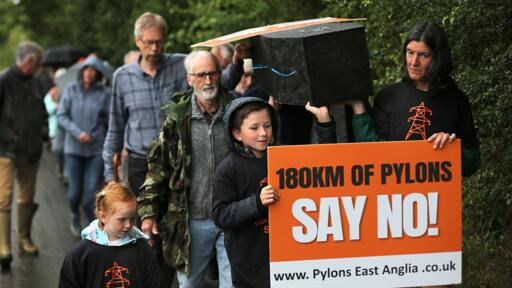
I’m sympathetic to the core Green mission but opposing the expansion of the grid we need to supply renewables is peek contraianism.
“Protest parties” is dismissive from the start. Then you talk about UKIP, as though the Greens are equivalent. Here’s one difference: UKIP and Reform are both one-man-shows, with no policies with any specificity. You can go online and see the Greens’ policies, and their governance structure is far more member-driven than any other party but Corbyn’s rump YourParty (or whatever they’re calling themselves these days). They’re not perfect, but the alternatives are worse.
I’m sympathetic to the core Green mission but opposing the expansion of the grid we need to supply renewables is peek contraianism.
Policies that enourage greater energy efficiency, if successfully implemented, will mean that there’s less need to expand the grid further, though additional resiliency works would still be worth doing.
I guess it depends on how many of the newly minted green voters have moved across because they have carefully read their policy offering and how many just wanted to vote not-Labour because they were unhappy (i.e. protesting) with the government. Things will become clearer next month and finally at the next general election.
Energy efficiency is great but we still need to get the power from our new shiny off-shore wind farms to where the population centres are. The original grid was very much designed to radiate power from the big generators which are more central (modulo the nuclear generators which tend to be coastal).


The problem with all protest parties is it’s easy to oppose things but governing is about making hard choices. UKIP made progress in the polls until they got the Brexit they were after but haven’t exactly been able to point to the benefits since. We are seeing Reform suffer the same when they realise there aren’t piles of “woke” projects to DOGE away to fund local councils.
I’m sympathetic to the core Green mission but opposing the expansion of the grid we need to supply renewables is peek contraianism.
“Protest parties” is dismissive from the start. Then you talk about UKIP, as though the Greens are equivalent. Here’s one difference: UKIP and Reform are both one-man-shows, with no policies with any specificity. You can go online and see the Greens’ policies, and their governance structure is far more member-driven than any other party but Corbyn’s rump YourParty (or whatever they’re calling themselves these days). They’re not perfect, but the alternatives are worse.
Policies that enourage greater energy efficiency, if successfully implemented, will mean that there’s less need to expand the grid further, though additional resiliency works would still be worth doing.
I guess it depends on how many of the newly minted green voters have moved across because they have carefully read their policy offering and how many just wanted to vote not-Labour because they were unhappy (i.e. protesting) with the government. Things will become clearer next month and finally at the next general election.
Energy efficiency is great but we still need to get the power from our new shiny off-shore wind farms to where the population centres are. The original grid was very much designed to radiate power from the big generators which are more central (modulo the nuclear generators which tend to be coastal).