First off, the headline on this post does not match the current one on the article… The current headline on the article is:
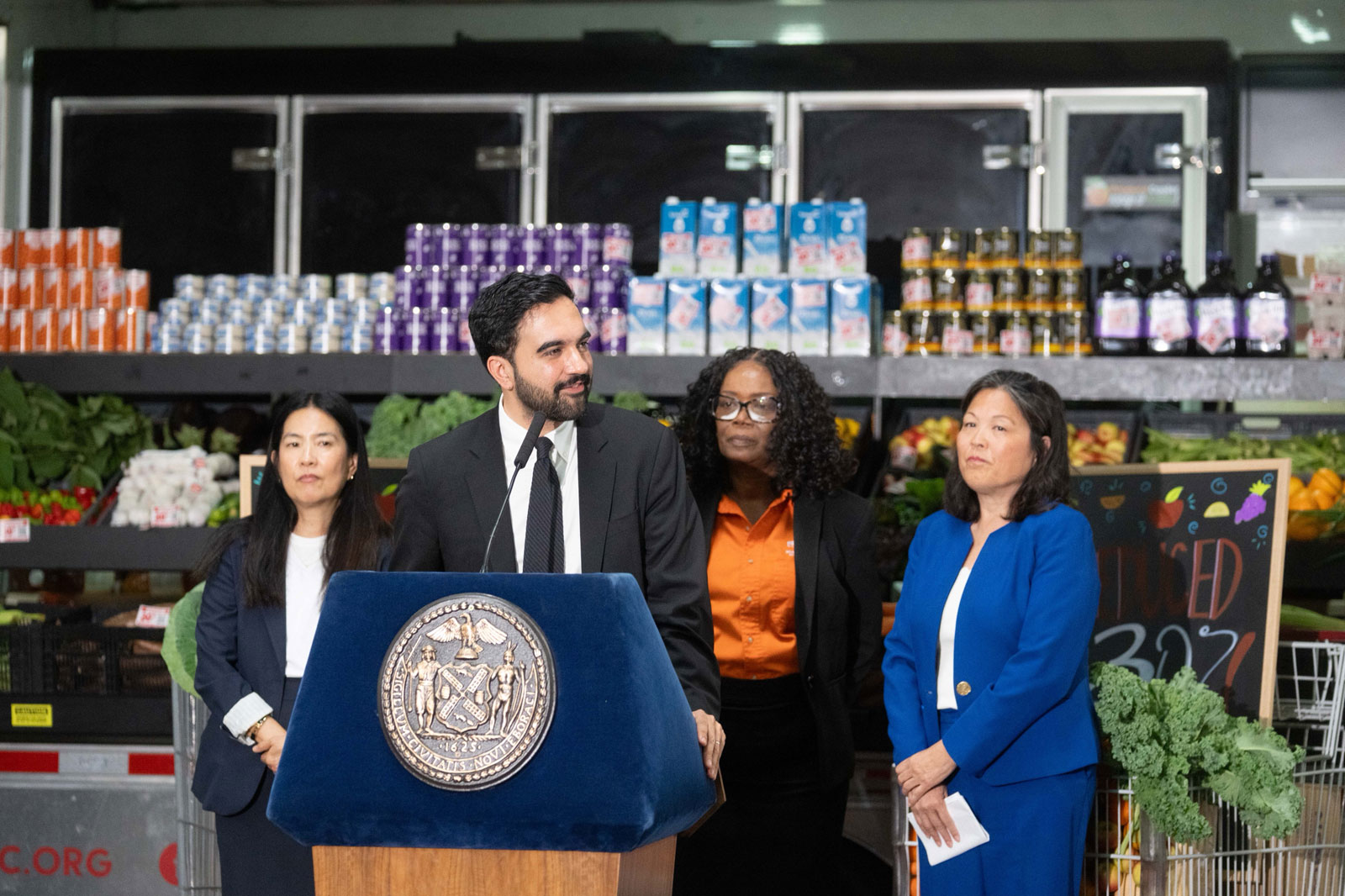
Mayor Mamdani Unveils 30% Discount — Including All Produce, All Meat and Key Pantry Staples — at New Municipal Grocery Stores
So the discount is not on everything. It’s basically on healthy foods and staples. I would assume that the margins on the rest of the items will be set to cover the costs of the discounted ones. Also, a store like this is not supposed to be a profit center.
It’s supposed to make healthy foods available to people who struggle to afford it. If the store breaks even after rent, utilities, and payroll, then I would call it a glorious success.
The ‘extra’ money comes from jacking up the prices in other items in the same store, like candy and sodas. And from not spending as much money on other stuff like marketing and bonuses.
There are two sides to the profit equation: expenses and revenue.
In order for a store to make more profit, they can either increase their revenue (by raising prices, for example), or they can decrease their expenses (by laying people off, buying from cheaper suppliers, or paying executives less, for example).
So these stores are lowering prices on some items. And making it up by some combination of RAISING prices on other items, and LOWERING their costs in other areas like marketing, executive bonuses, etc.
leaving aside the answers other people have given, if NYC can afford a world class private military with a ~$10B USD budget, they can afford to cover a minor deficit in food budget. It’s like food stamps but cuts out a layer of bureaucracy and thus lower cost.
I see no reason to assume there is a subsidy involved. Grocery stores make money. The initial outlay to build and stock the stores is going to come from city taxes, I assume. But the discounts, as my prior post said, are only on some items. The revenue from the higher margin, non-discounted items can cover the costs of the discounted ones assuming they price things right. The store only needs to break even to be a resounding success.
You understand the groceries still cost something right? Your acting like their giving them away for free. A public option doesn’t have to support billions in profit for the CEO, executives, and investors, so reducing price is much much easier if your only goal is to break even. The goal is no cost to the taxpayer, no profit for the city.
If a loaf of bread costs $5 at a for profit grocery store that had inflated executive salaries and profit for investors to worry about, that same loaf of bread costs less at a store that doesn’t need to show a huge profit. They can sell it at 3.50 and break even. Its not money “coming” from somewhere, its just product being sold at cost, instead of for profit.
If I had to wager a guess, this 30% off is just marketing. They probably realized their cost outlay is lower than they anticipated and they are passing those savings on to the consumer. Turns out cutting out greed saves consumers money.
Believe it or not, everyone you disagree with is not “just dense”. You obviously have no interest in engaging in a good faith discussion since you immediately came in here and began slinging insults so you’re being blocked, goodbye.


First off, the headline on this post does not match the current one on the article… The current headline on the article is:
So the discount is not on everything. It’s basically on healthy foods and staples. I would assume that the margins on the rest of the items will be set to cover the costs of the discounted ones. Also, a store like this is not supposed to be a profit center.
It’s supposed to make healthy foods available to people who struggle to afford it. If the store breaks even after rent, utilities, and payroll, then I would call it a glorious success.
That didn’t answer my question?
The ‘extra’ money comes from jacking up the prices in other items in the same store, like candy and sodas. And from not spending as much money on other stuff like marketing and bonuses.
There are two sides to the profit equation: expenses and revenue.
In order for a store to make more profit, they can either increase their revenue (by raising prices, for example), or they can decrease their expenses (by laying people off, buying from cheaper suppliers, or paying executives less, for example).
So these stores are lowering prices on some items. And making it up by some combination of RAISING prices on other items, and LOWERING their costs in other areas like marketing, executive bonuses, etc.
Hope that helps.
Then rephrase your question, please. What exactly are you asking? Are you suggesting he doesn’t have the authority to set the prices at these stores?
I’m asking where the money is coming from to support these subsidies
leaving aside the answers other people have given, if NYC can afford a world class private military with a ~$10B USD budget, they can afford to cover a minor deficit in food budget. It’s like food stamps but cuts out a layer of bureaucracy and thus lower cost.
This is what taxes should actually be funding.
I see no reason to assume there is a subsidy involved. Grocery stores make money. The initial outlay to build and stock the stores is going to come from city taxes, I assume. But the discounts, as my prior post said, are only on some items. The revenue from the higher margin, non-discounted items can cover the costs of the discounted ones assuming they price things right. The store only needs to break even to be a resounding success.
The money has to come from somewhere. These groceries don’t just magic themselves onto the shelves…
You understand the groceries still cost something right? Your acting like their giving them away for free. A public option doesn’t have to support billions in profit for the CEO, executives, and investors, so reducing price is much much easier if your only goal is to break even. The goal is no cost to the taxpayer, no profit for the city.
Did you reply to the wrong person? That’s the exact opposite of what I’m doing.
How is this supposed to explain where the money is coming from? No one is talking about billions, I’m asking where did the 30% extra money come from?
If a loaf of bread costs $5 at a for profit grocery store that had inflated executive salaries and profit for investors to worry about, that same loaf of bread costs less at a store that doesn’t need to show a huge profit. They can sell it at 3.50 and break even. Its not money “coming” from somewhere, its just product being sold at cost, instead of for profit.
If I had to wager a guess, this 30% off is just marketing. They probably realized their cost outlay is lower than they anticipated and they are passing those savings on to the consumer. Turns out cutting out greed saves consumers money.
Based on the posts in this thread you are either sealioning, or are just dense.
If the goal of the store is not to make a profit (and either break even, or have some tax dollars allocated to it), the prices go down.
Where are all your posts asking for where the NYPD’s cosplay warrior gear comes from? That certainly doesn’t magic itself into existence.
Believe it or not, everyone you disagree with is not “just dense”. You obviously have no interest in engaging in a good faith discussion since you immediately came in here and began slinging insults so you’re being blocked, goodbye.
In all fairness, you had your question answered very clearly, twice.
Sealioning it is.